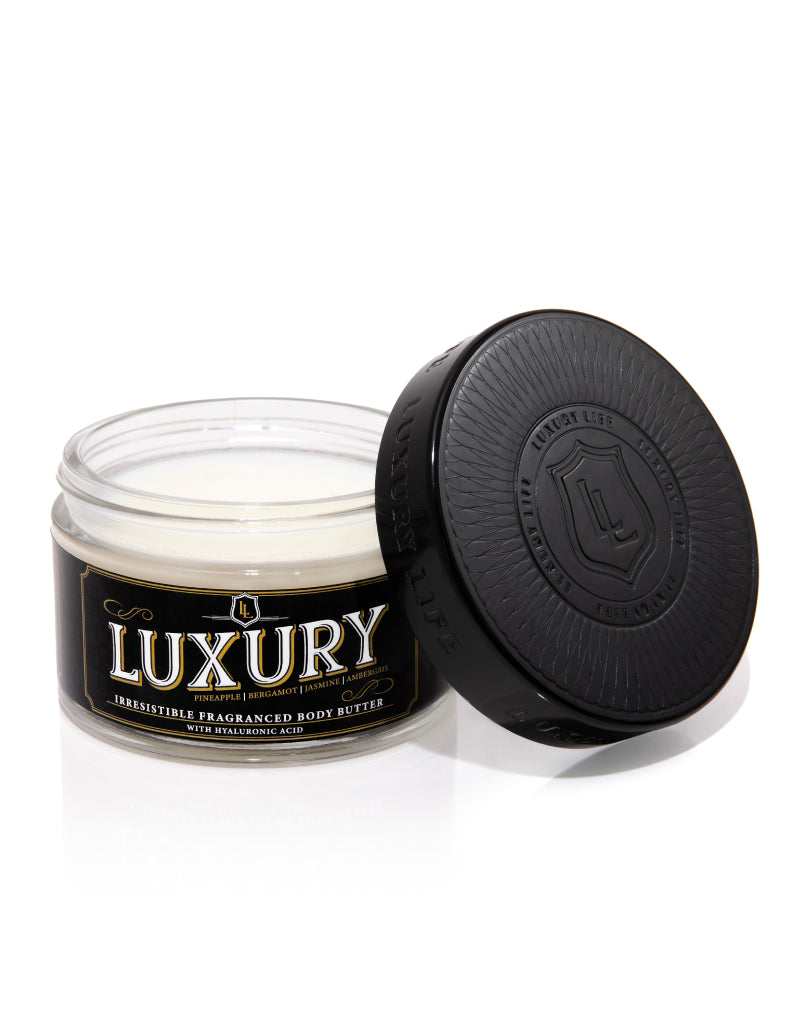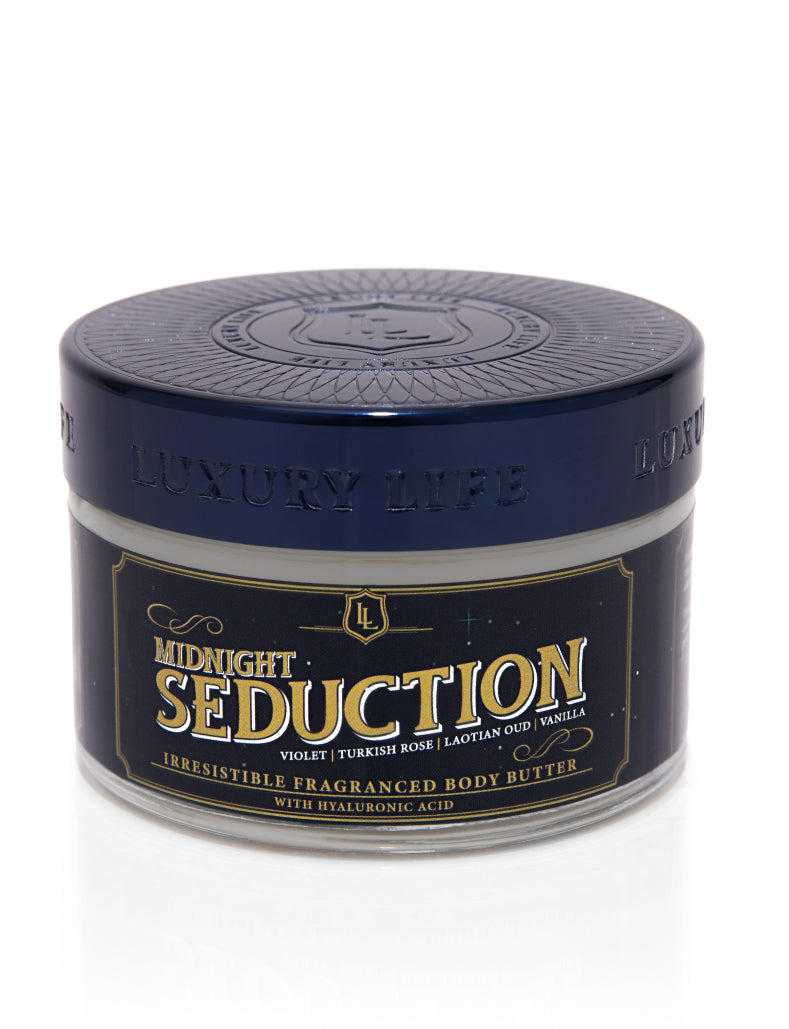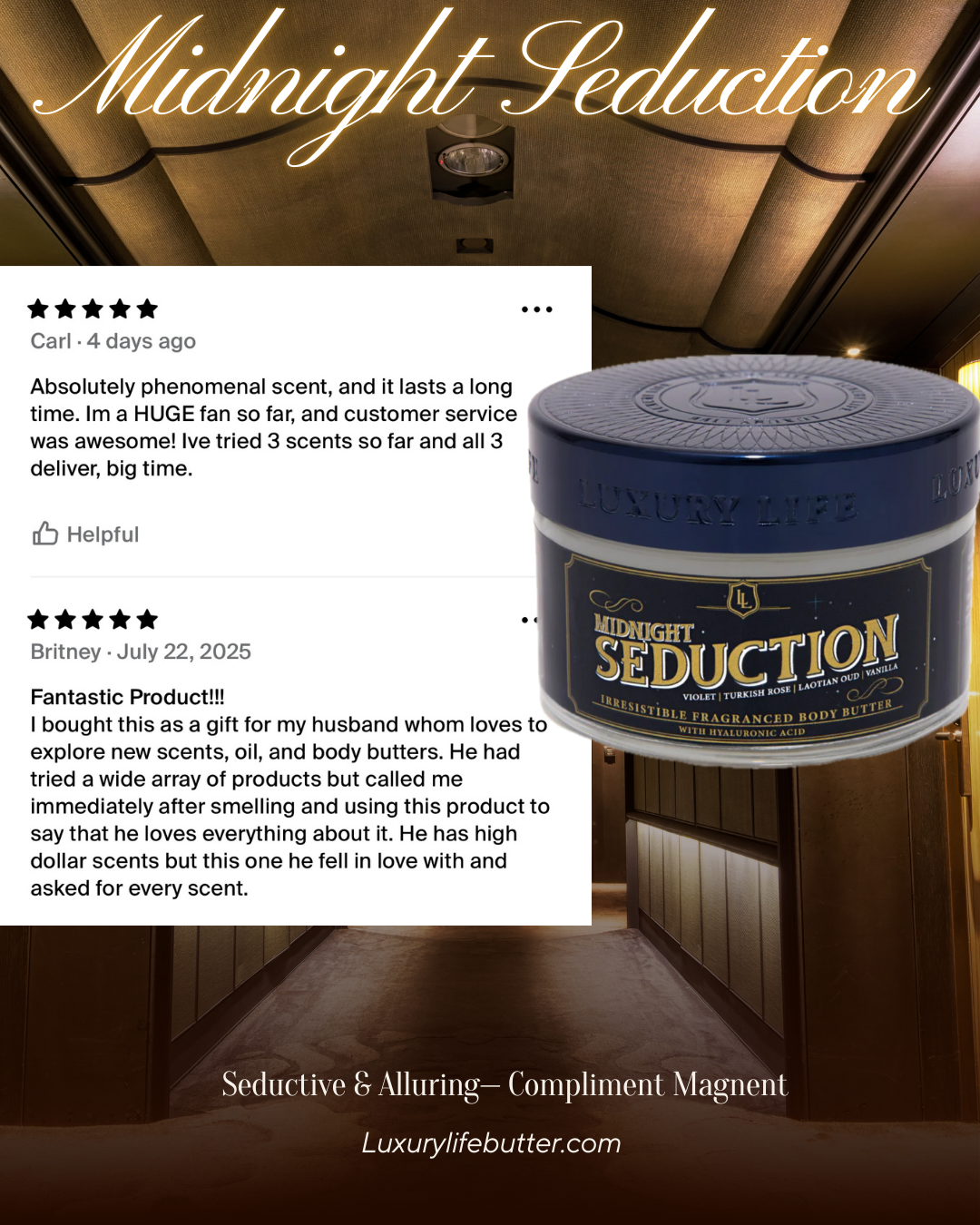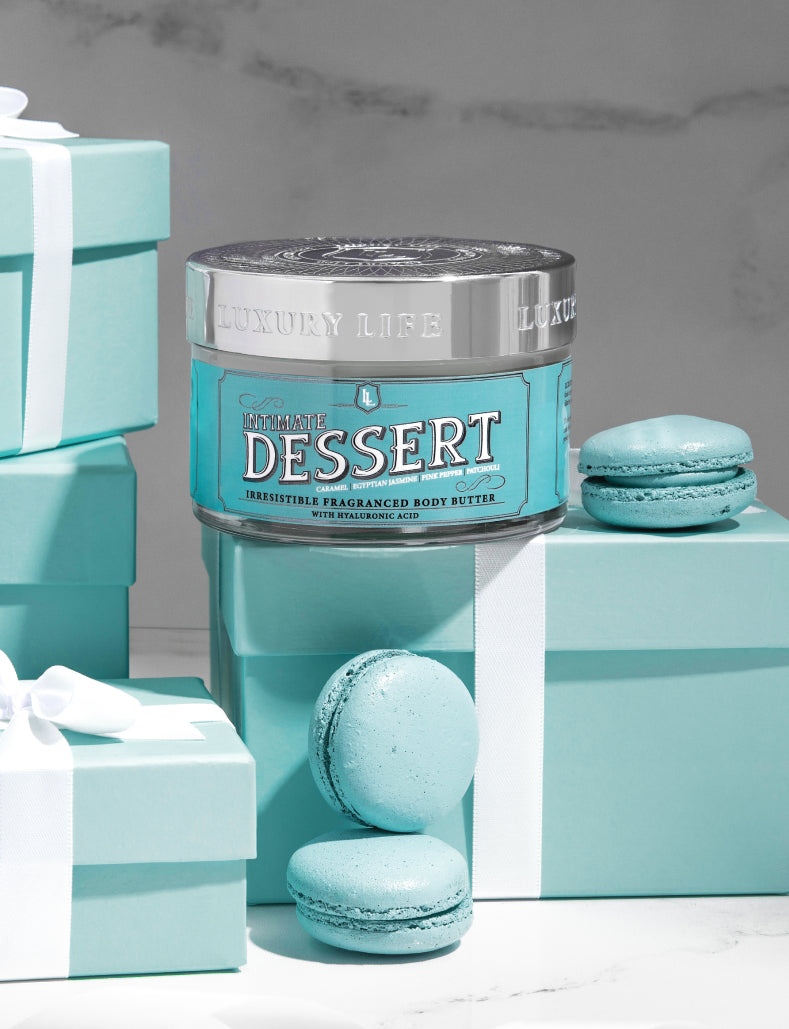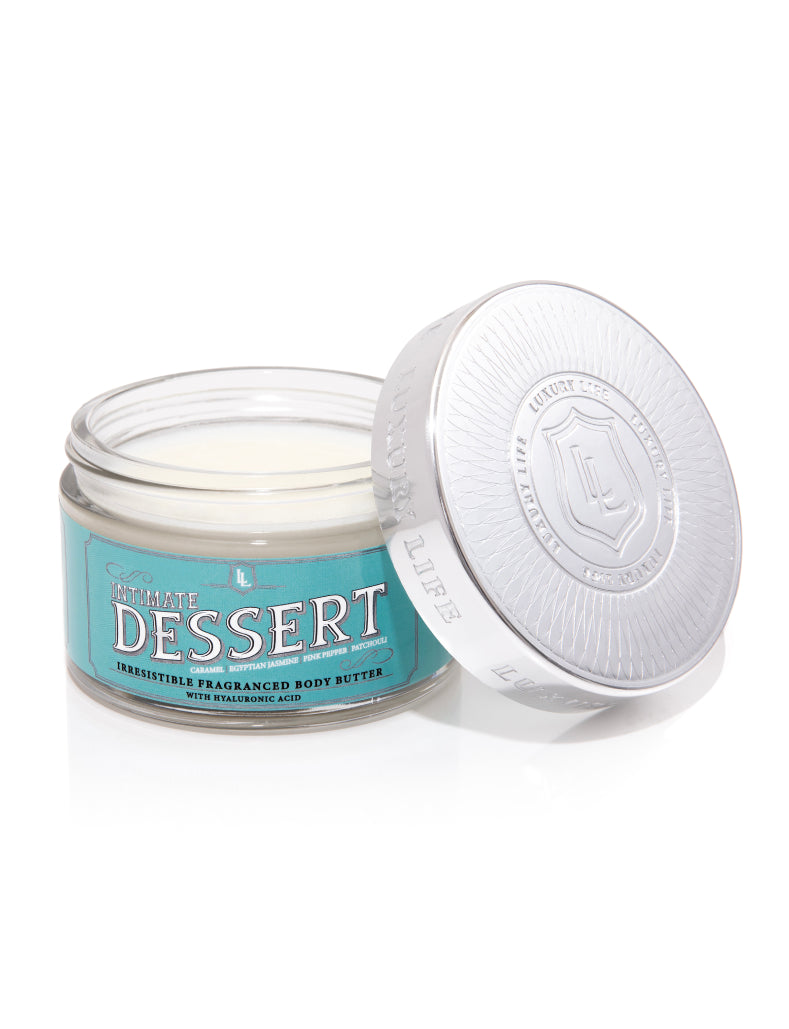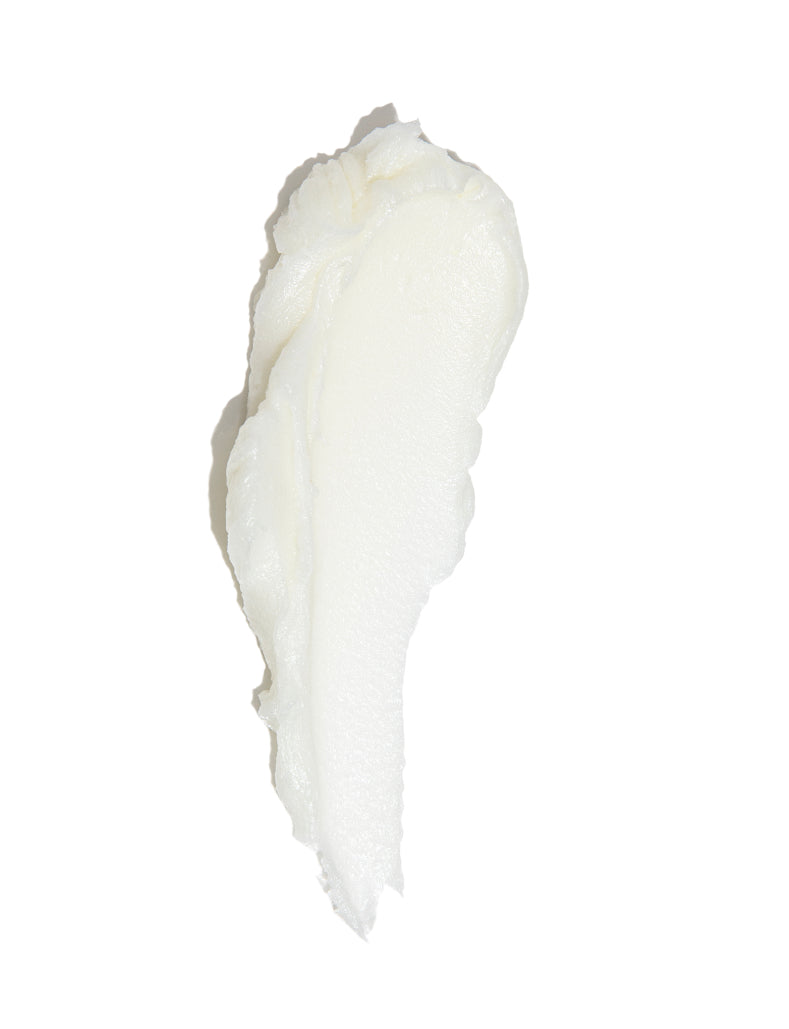


Every winter, the same thing happens: skin that felt fine all summer turns tight, flaky, and rough, and hands and heels can crack no matter how much lotion you use. The good news is that winter skin is fixable, and the fix is simpler than a ten-step routine. Here is how to rescue dry, cracked skin in cold weather, and keep it soft all season.
Why winter dries out your skin
Cold weather attacks skin from every direction. Outdoor air holds less moisture, indoor heating dries the air further, and hot showers strip away the natural oils that keep skin soft. The result is skin that loses water faster than it can replace it. Lightweight lotions cannot keep up, which is why so many people feel dry all winter despite moisturizing daily.
The signs of winter-damaged skin
-
Tightness, especially right after a shower
-
Flaking or rough patches on arms, legs, and shins
-
Cracked, sore hands and heels
-
Dullness and a lack of the softness you have in warmer months
A simple winter skincare routine
-
Shower slightly cooler and shorter. Hot water feels good but strips more oil.
-
Pat skin damp, do not rub it fully dry.
-
Seal in moisture immediately with a rich body butter while skin is still damp.
-
Reapply to hands and any cracked areas through the day.
The moisturize step is where winter skin is won or lost. For the full head-to-toe version, see our body care routine guide.
Why body butter beats lotion in winter
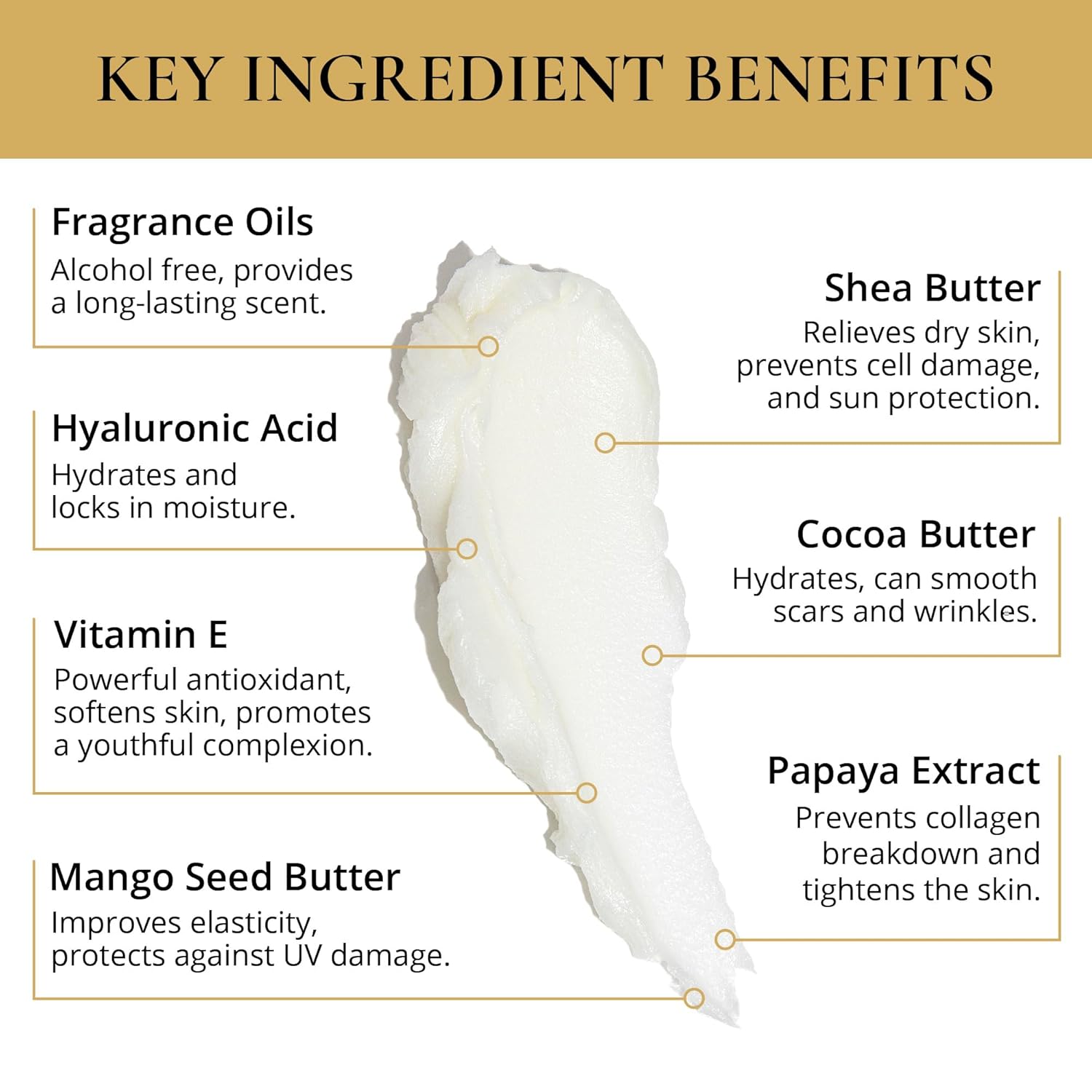
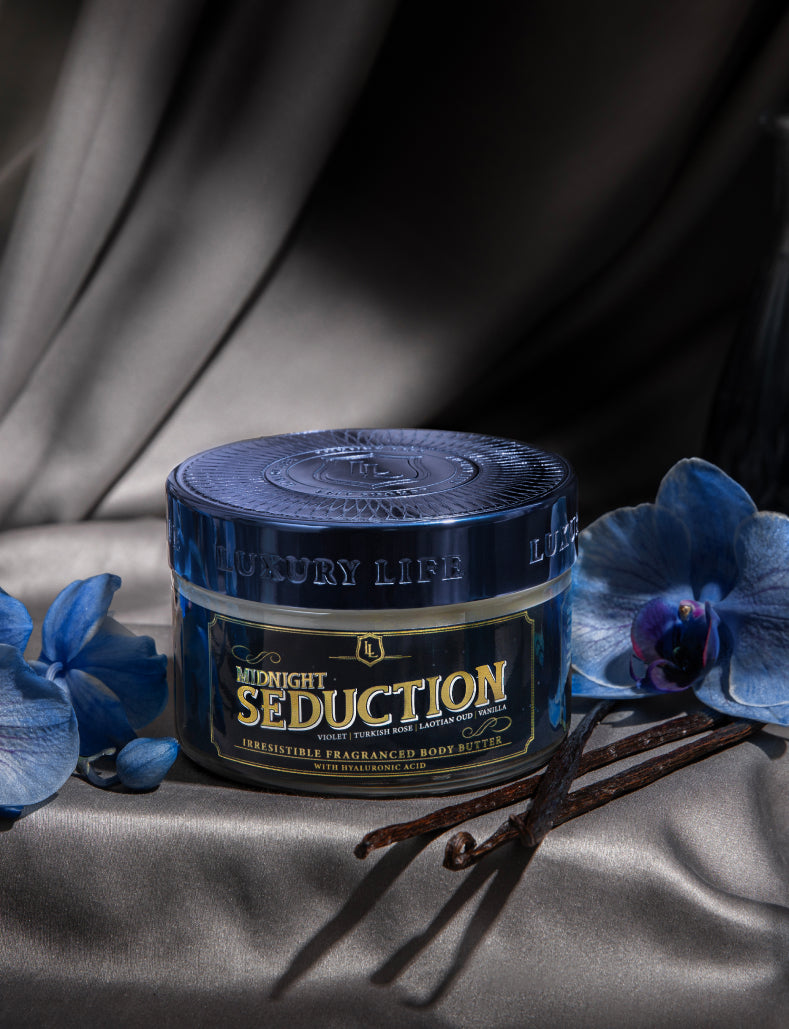
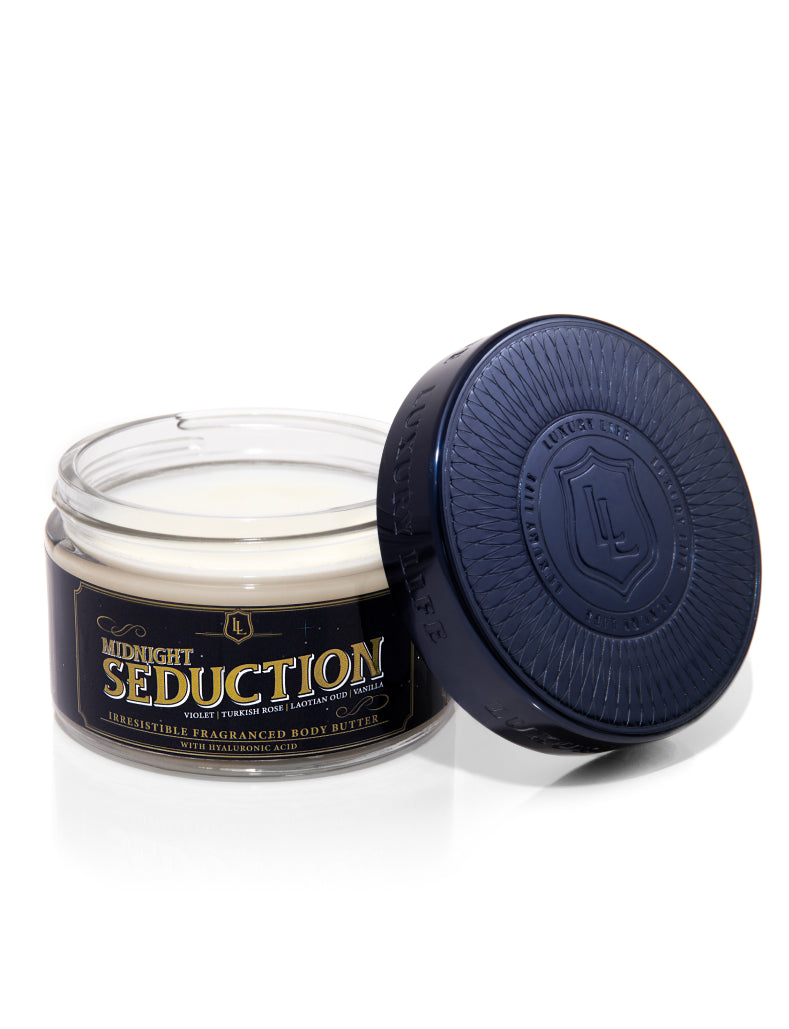
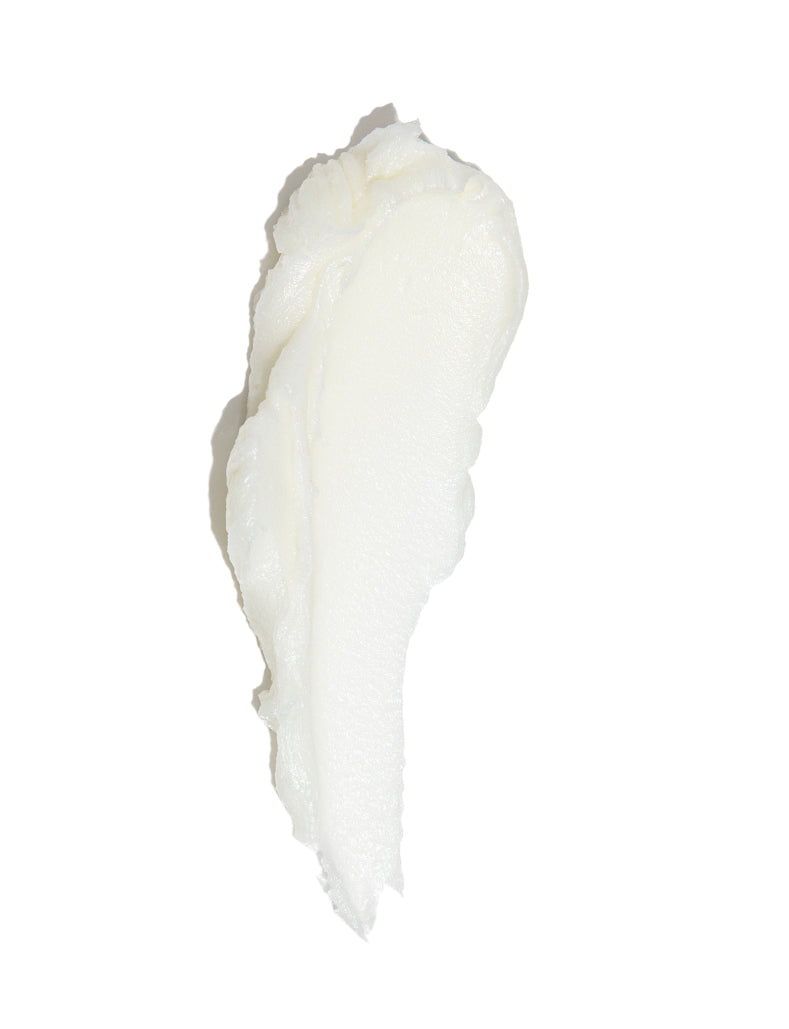
Lotion is mostly water, so in dry winter air it can evaporate almost as fast as it goes on. A rich body butter is concentrated plant butters and oils that both hydrate and seal, forming a protective layer that holds moisture in against the cold. It is the difference between reapplying all day and staying soft. See the full comparison in body butter vs lotion, and for the richest options, our guide to the best body butter for dry skin.
Target the worst winter areas
-
Hands: washed and exposed constantly, the first to crack. Reapply often.
-
Heels and feet: thick, dry skin that splits in winter
-
Elbows and knees: rough patches that need richer butter
-
Shins: a classic winter dryness zone
Winter skincare tips
-
Choose shea-rich formulas for extra richness. See shea butter benefits.
-
Keep a jar by the sink for post-hand-wash touch-ups
-
Moisturize at night so it works while you sleep
-
Run a humidifier to put moisture back into dry indoor air
Frequently asked questions
Why is my skin so dry in winter?
Cold outdoor air, indoor heating, and hot showers all pull moisture from your skin faster than it can replace it. A rich, sealing moisturizer like body butter helps counter that.
What is the best moisturizer for winter dry skin?
A concentrated body butter built on plant butters and oils. It hydrates and seals better than water-based lotion, which fades quickly in dry winter air.
How do I heal cracked hands and heels in winter?
Apply a rich body butter to damp skin several times a day, focusing on the cracked areas, and reapply after every hand wash. Consistency is what restores them.
Should I moisturize more often in winter?
Yes. Skin loses moisture faster in cold weather, so daily and even twice-daily application on hands and dry spots helps keep it soft.
The bottom line
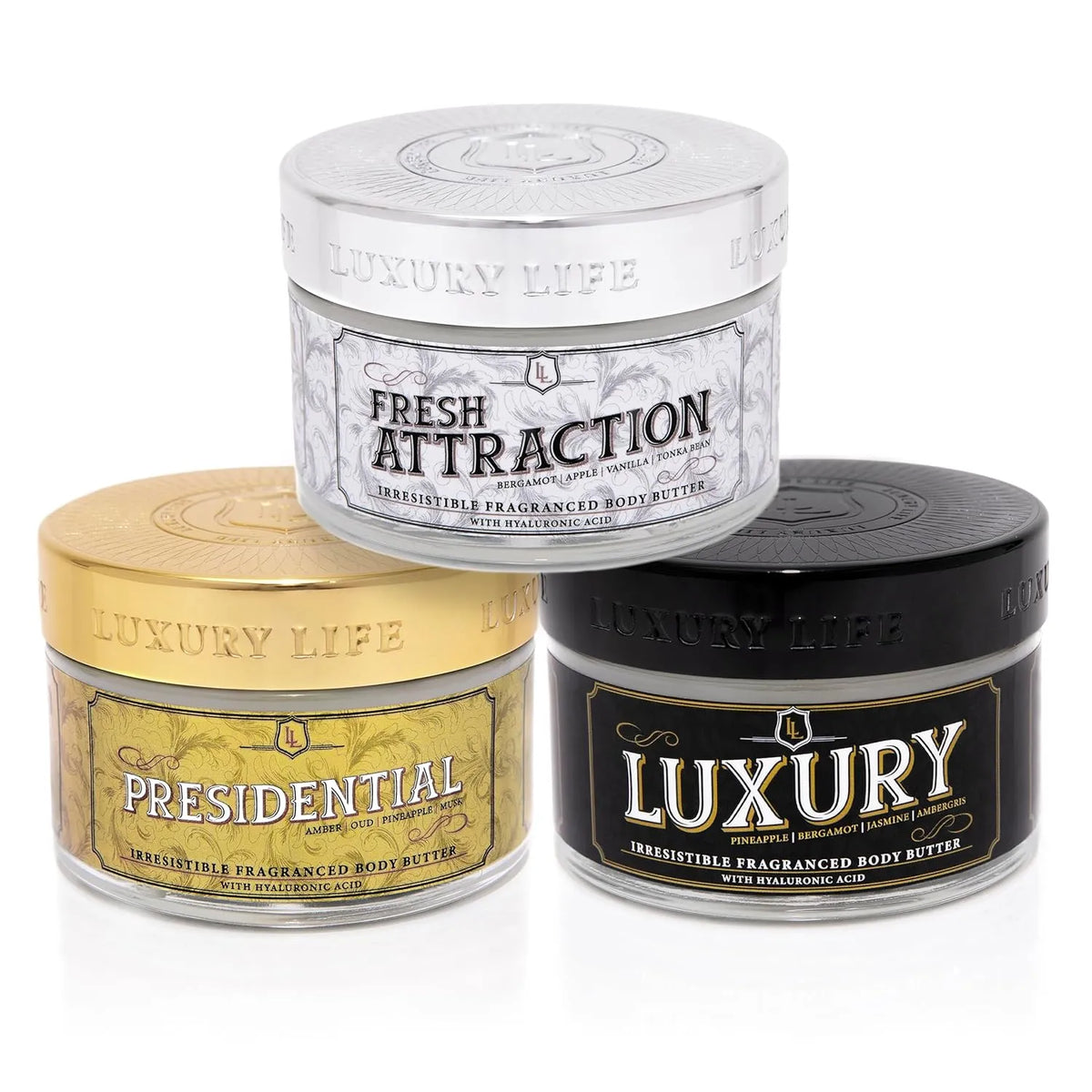
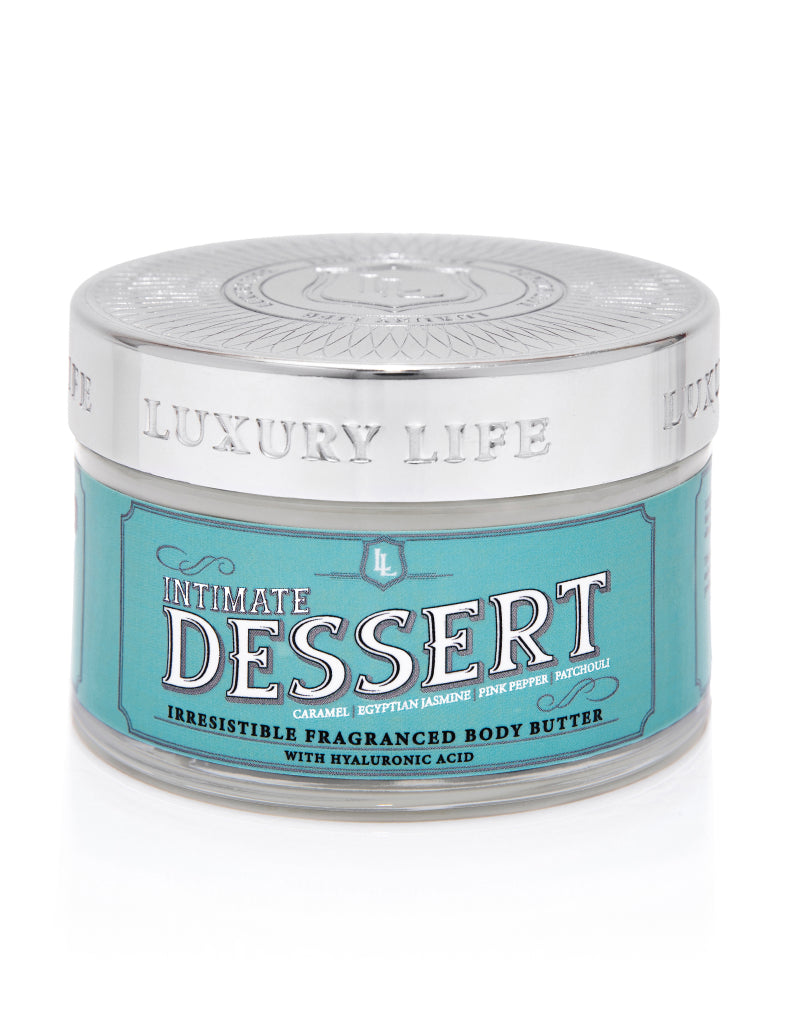
Winter skin needs sealing, not just water. Swap thin lotion for a rich, protective body butter and the cracking and flaking ease. Find your richest formulas in the Luxury Life Butter collection.