

The words natural, organic, and vegan appear on countless body butter labels, but they do not all mean the same thing, and some mean very little at all. If you want a clean formula that genuinely nourishes your skin, it helps to know what each term actually promises. Here is a plain-language guide to reading a body butter label and choosing well.
What "natural" body butter really means
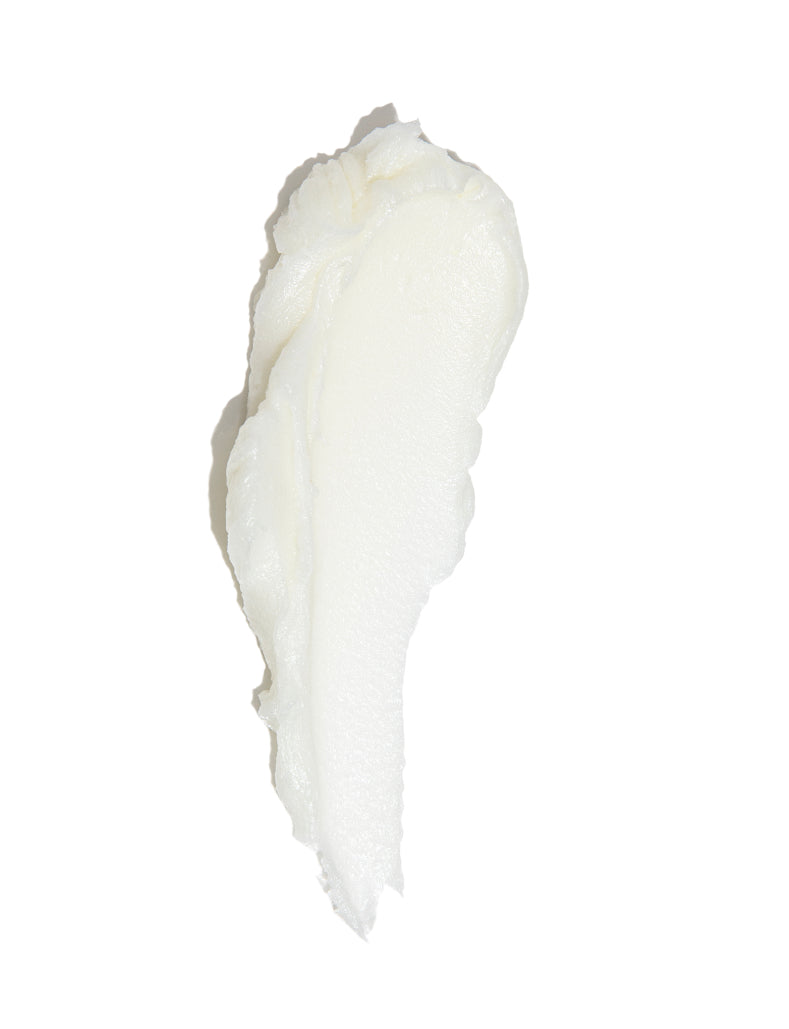
Natural generally means the formula is built on plant-derived ingredients like shea, cocoa, and mango butters, and plant oils, rather than synthetic fillers. The catch: natural is not a regulated term, so it is only as trustworthy as the ingredient list behind it. Always check that real butters and oils sit near the top of the list. If you are new to the category, our guide on what body butter is explains the core ingredients.
What "organic" means
Organic refers to how the ingredients were grown and processed, without synthetic pesticides or fertilizers. A body butter may contain certified organic ingredients even if the whole product is not certified. Look for specific organic ingredients on the label rather than a vague organic claim on the front.
What "vegan" (and cruelty-free) means
Vegan means the formula contains no animal-derived ingredients, such as beeswax, lanolin, or honey. Cruelty-free is a separate claim that means the product was not tested on animals. Plant butters make it easy to build a rich, effective body butter that is fully vegan, so you rarely have to trade performance for values.
Ingredients to look for
-
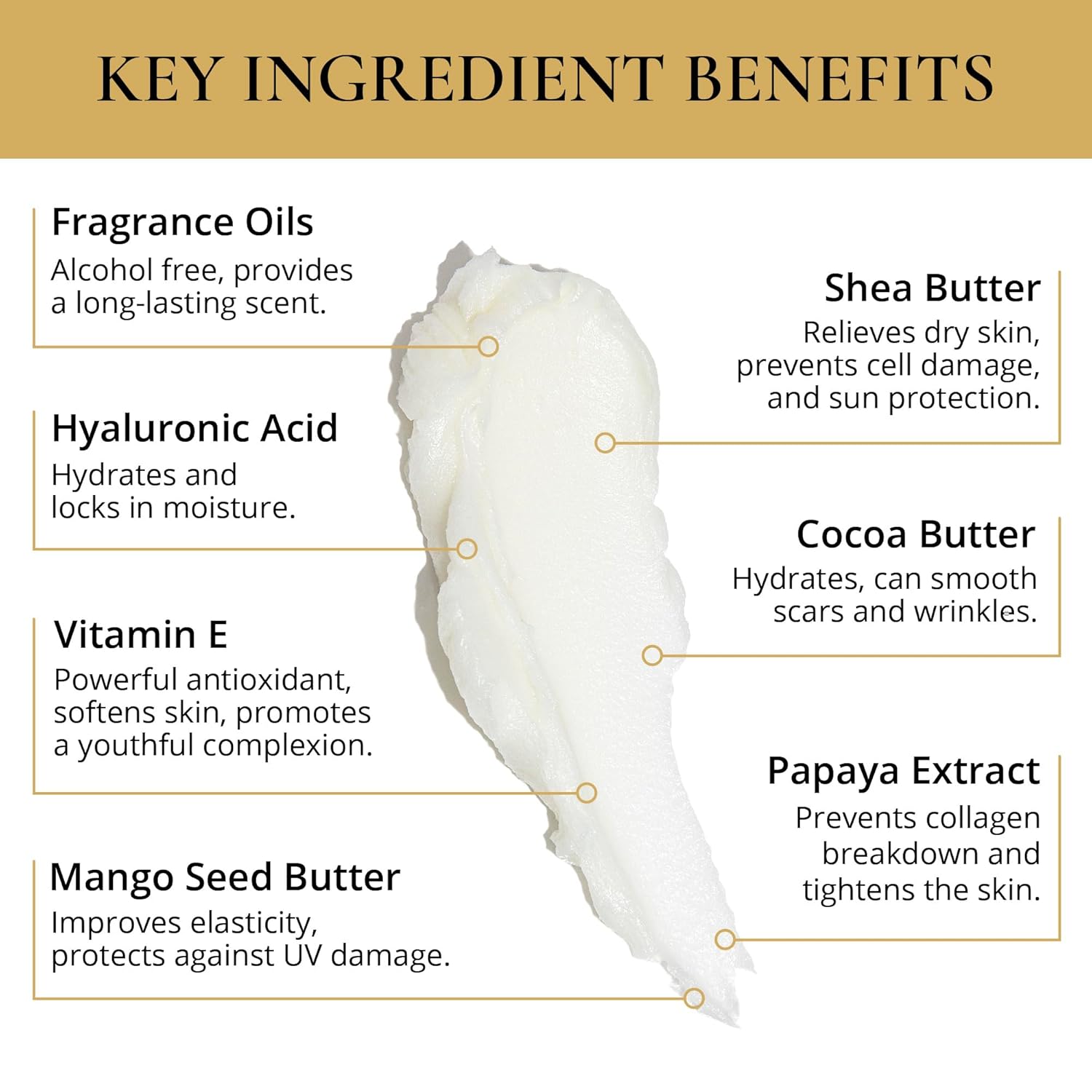
Shea butter: deeply conditioning and rich in vitamins. See shea butter benefits.
-
Cocoa butter: excellent at sealing moisture. Compared in cocoa butter vs shea butter.
-
Mango butter: lighter and fast-absorbing. See mango butter benefits.
-
Plant oils like jojoba, coconut, and almond for extra nourishment
-
Vitamin E, a plant-friendly skin conditioner
Ingredients to think twice about
-
Water high on the list, which dilutes the formula toward lotion
-
Mineral oil and petrolatum as the main moisturizer
-
Long lists of synthetic fillers and thickeners
-
Vague claims with no ingredient list to back them up
How to read a body butter label
-
Check the first three ingredients. Plant butters and oils signal quality.
-
Look for specific claims (certified organic shea) over vague front-of-jar words.
-
For vegan, scan for animal-derived ingredients like beeswax or lanolin.
-
Match the formula to your skin, richer butters for dry skin, lighter for everyday.
Frequently asked questions
Is natural body butter better?
A natural formula built on real plant butters and oils is usually better for your skin than one padded with water and synthetic fillers. The key is checking the ingredient list, since natural is not a regulated term.
What makes a body butter vegan?
It contains no animal-derived ingredients such as beeswax, lanolin, or honey. Plant butters like shea, cocoa, and mango make rich vegan formulas easy.
Is shea butter vegan?
Yes. Shea butter is extracted from the nut of the shea tree, so it is entirely plant-based and vegan.
Does natural body butter work as well as regular lotion?
Often better. Concentrated plant butters hydrate and seal more effectively than water-based lotion. See our body butter vs lotion comparison.
The bottom line
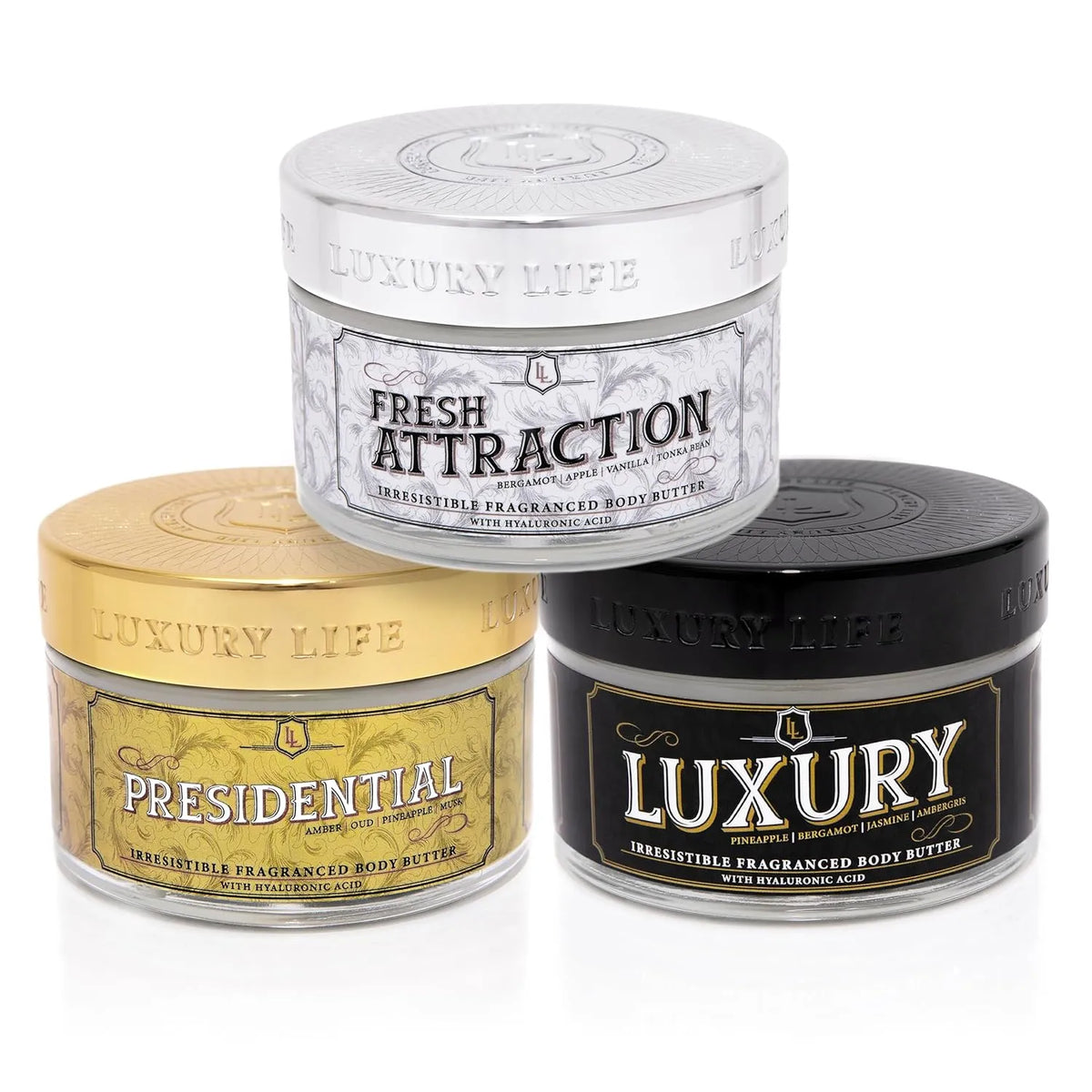
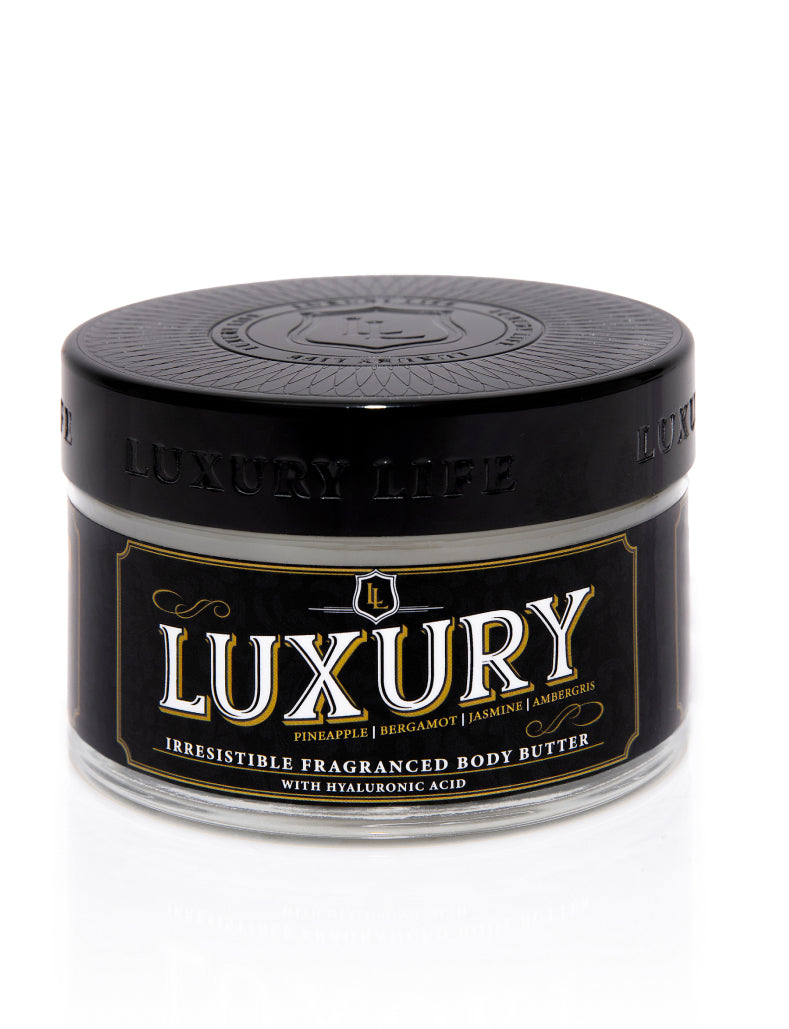
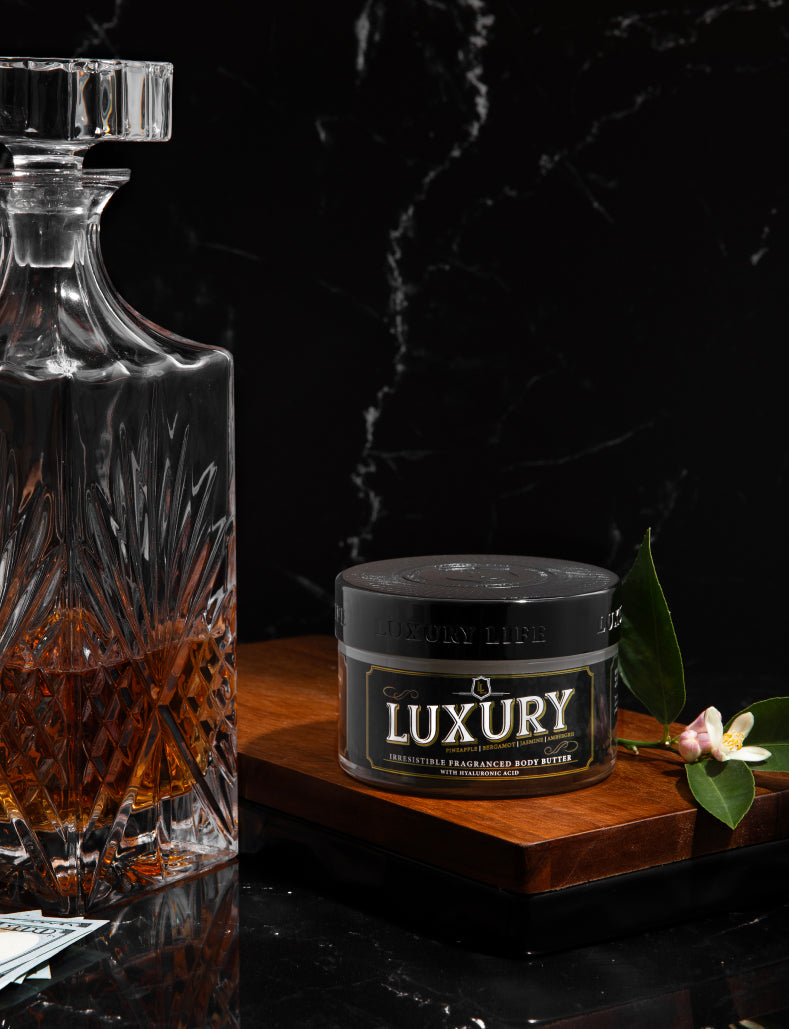
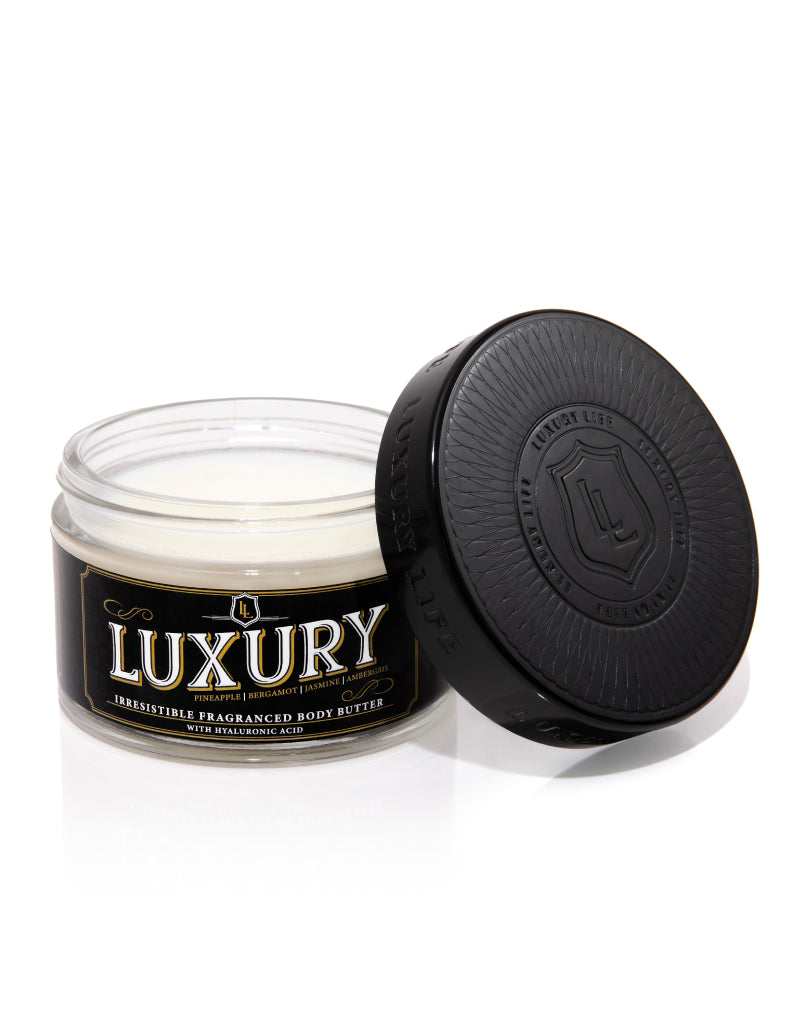
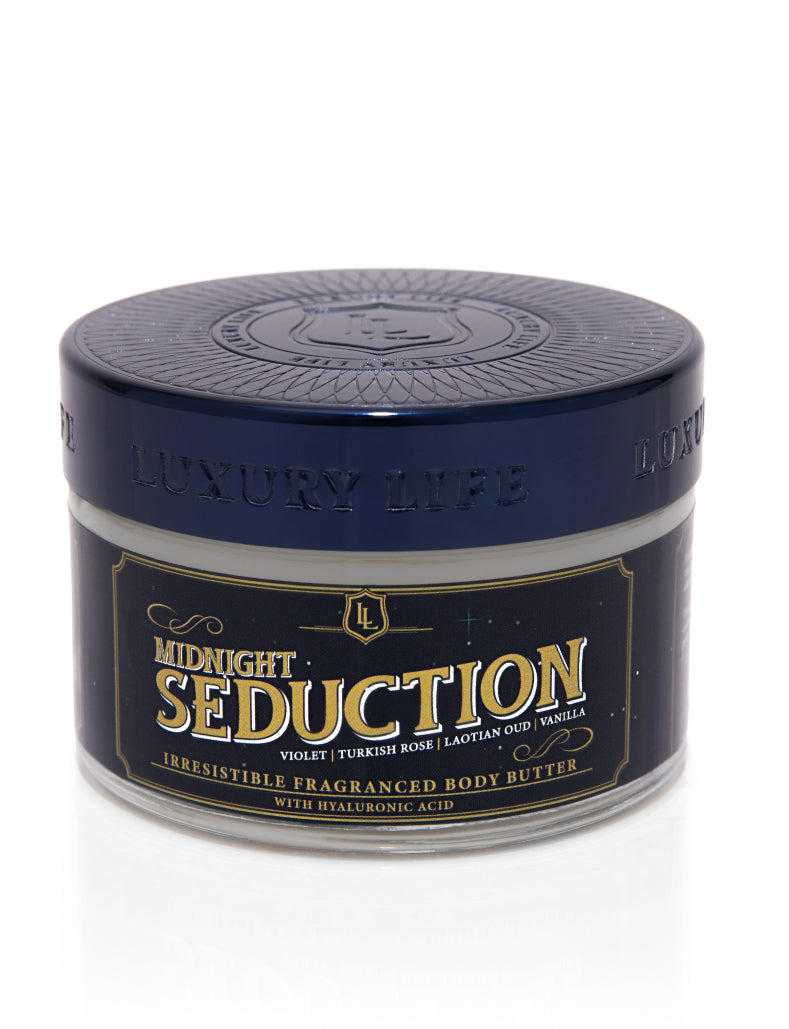
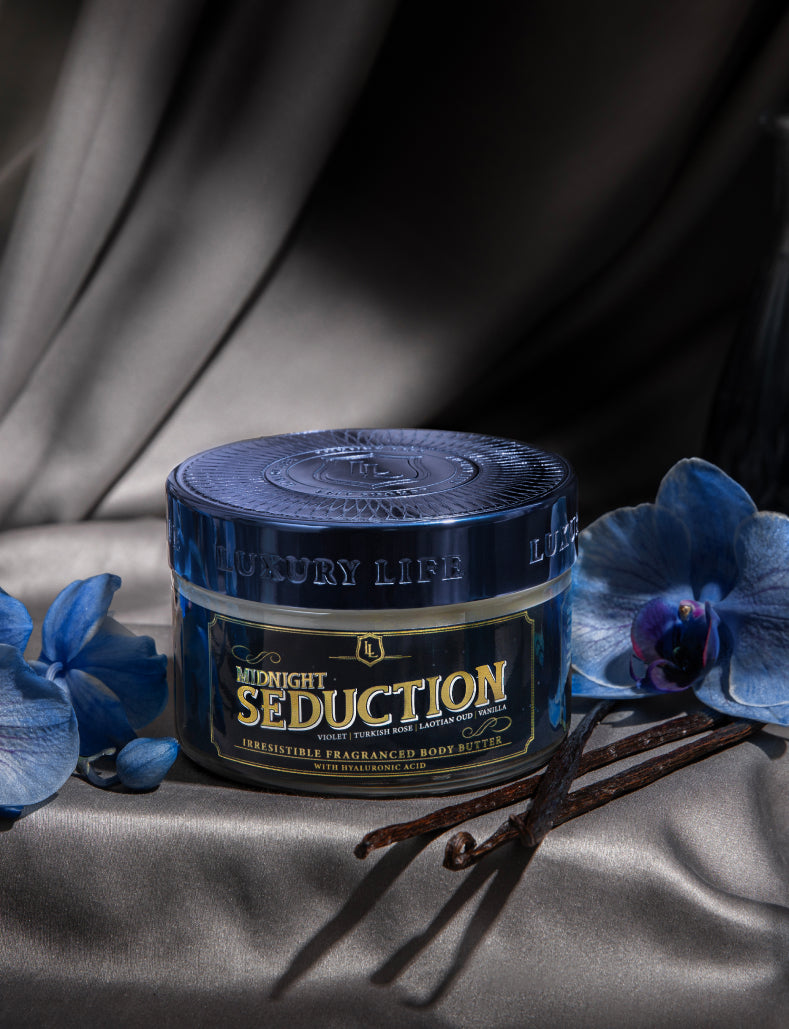
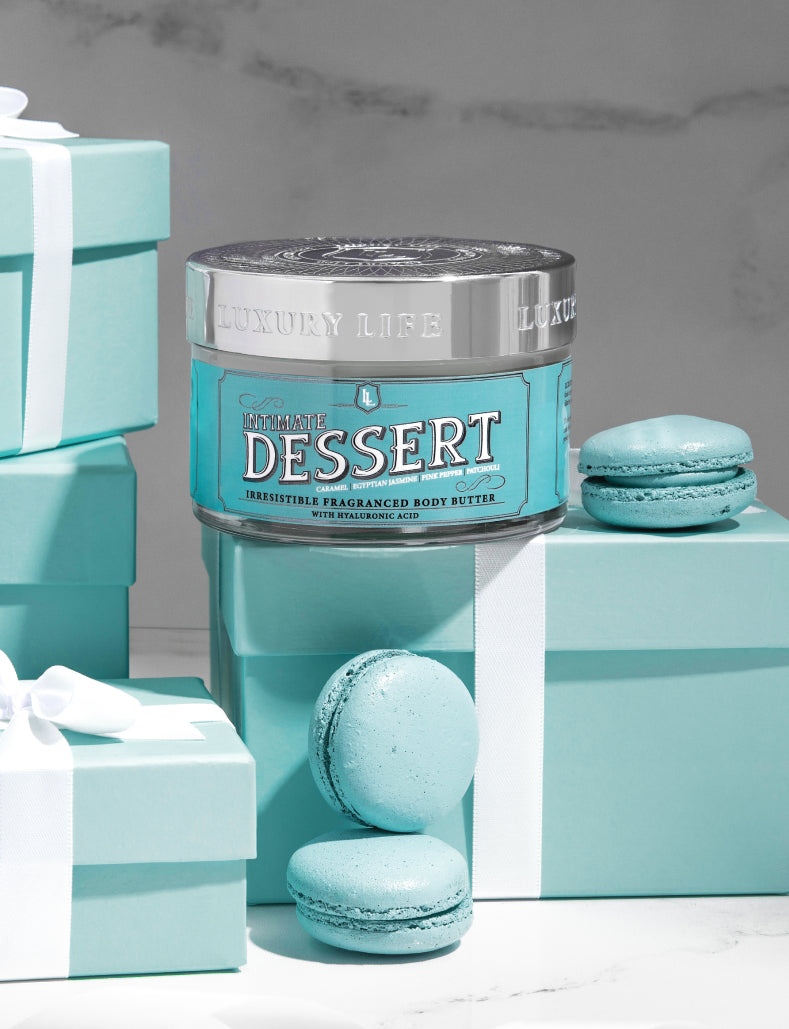
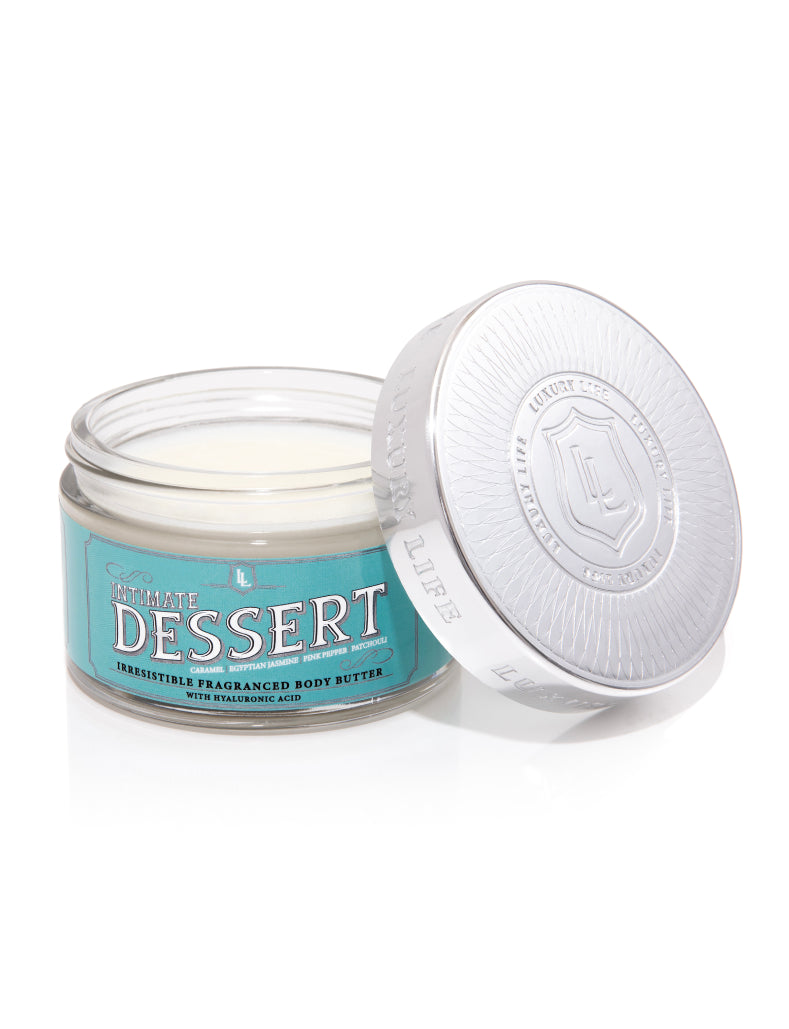
Natural, organic, and vegan are only as good as the ingredient list behind them. Choose plant butters over fillers and you get a clean formula that actually performs. Explore plant-based, butter-first formulas in the Luxury Life Butter collection.